What is Glass Skin? Complete Guide to Korean Beauty Secrets.
Glass skin is one of the most famous concepts in Korean skincare (K-beauty), known worldwide for its association with flawless-looking, luminous, and deeply hydrated skin. The term describes a complexion so smooth, even, and radiant that it appears almost transparent and reflective like glass.
But glass skin is not about perfection, filters, or makeup. It is the result of consistent skincare habits, barrier-friendly routines, and long-term hydration-focused care.
This complete guide breaks down everything you need to know: what glass skin really is, how it works, how to achieve it step by step, and what mistakes to avoid.
Understanding Glass Skin
What Does Glass Skin Mean?
Glass skin refers to skin that looks:
Extremely smooth in texture
Even in tone and clarity
Deeply hydrated and plump
Naturally radiant from within
Calm, healthy, and balanced
It is not about having “perfect skin,” but about achieving skin that reflects light evenly because it is well-hydrated and healthy.
👉 The glow comes from skin health, not makeup or highlighter.
What Glass Skin is NOT
Many beginners misunderstand the concept. Glass skin does NOT mean:
Zero pores
Completely flawless skin
Oily or greasy shine
Instant results in a few days
Heavy makeup glow
Instead, it is:
A skincare result
A long-term process
A focus on hydration and repair
The Origin of Glass Skin (K-Beauty Philosophy)
Glass skin comes from Korean skincare philosophy, which is built on prevention rather than correction.
Instead of treating skin problems aggressively, K-beauty focuses on:
Strengthening the skin barrier
Preventing damage before it happens
Layering hydration instead of stripping skin
Using gentle, consistent routines
In Korea, skincare is seen as a daily self-care ritual—not a quick fix.
The Science Behind Glass Skin
Glass skin is based on how light interacts with healthy skin.
When skin is:
Properly hydrated
Smooth in texture
Free from irritation
Protected from UV damage
Supported by a strong skin barrier
👉 It reflects light evenly, creating a natural glow.
When skin is:
Dehydrated
Inflamed
Damaged or over-exfoliated
👉 It appears dull, uneven, and textured.
So glass skin is essentially the visual result of optimal skin health.
The 3 Core Principles of Glass Skin
1. Deep Hydration
Hydration is the foundation of glass skin. Without moisture, skin cannot look plump or luminous.
Hydration helps:
Smooth fine texture
Improve elasticity
Reduce dullness
Create glow from within
2. Skin Barrier Strength
The skin barrier protects against:
Pollution
Bacteria
Water loss
Irritation
A damaged barrier leads to:
Breakouts
Dryness
Sensitivity
Rough texture
Glass skin requires a strong, stable barrier.
3. Consistency Over Time
Glass skin is not achieved through intense treatments but through daily habits.
Even simple routines done consistently outperform complex routines done occasionally.
Full Step-by-Step Glass Skin Routine
MORNING ROUTINE (Protect + Hydrate)
The morning routine is about protection and maintaining hydration.
Step 1: Gentle Cleansing
Options:
Lukewarm water rinse (dry/sensitive skin)
Gentle cleanser (oily/combination skin)
👉 Goal: remove overnight oil without stripping skin.
Step 2: Hydrating Toner
Functions:
Rehydrates after cleansing
Prepares skin for absorption
Calms and refreshes
Ingredients:
Hyaluronic acid
Aloe vera
Panthenol
Green tea
Step 3: Essence
Essence is a lightweight hydration layer that:
Improves skin texture over time
Boosts moisture levels
Enhances glow
👉
Step 4: Serum
Morning serums are usually protective and brightening:
Vitamin C → radiance + antioxidant protection
Niacinamide → smooth texture + even tone
Hyaluronic acid → hydration
👉 Keep it simple: one serum is enough.
Step 5: Moisturizer
Locks in hydration and keeps skin soft.
Types:
Gel → oily skin
Lotion → combination skin
Cream → dry skin
Step 6: Sunscreen (Essential Step)
SPF protects against:
UV damage
Pigmentation
Premature aging
Loss of glow
Use SPF 30–50 daily.
👉 Without sunscreen, glass skin cannot be maintained.
NIGHT ROUTINE (Repair + Rebuild)
Night is when skin regeneration happens most actively.
Step 1: Double Cleansing
Oil Cleanser
Removes:
Sunscreen
Makeup
Pollution
Sebum
Water Cleanser
Removes:
Sweat
Dirt
Residue
👉 Prevents clogged pores and improves texture.
Step 2: Exfoliation (2–3x weekly)
Types:
AHA → surface glow
BHA → pores & acne
Enzymes → gentle exfoliation
⚠️ Over-exfoliation damages the barrier.
Step 3: Toner
Restores hydration after cleansing.
Can be layered for deeper moisture.
Step 4: Essence
At night, essence focuses on:
Skin repair
Elasticity improvement
Deep hydration
Step 5: Serum (Treatment Phase)
Night serums target specific concerns:
Retinol → anti-aging
Niacinamide → brightening
Centella Asiatica → calming
Peptides → repair
Step 6: Moisturizer
Seals all layers and supports overnight repair.
Strengthens skin barrier
Prevents water loss
Improves softness
Step 7: Sleeping Mask (Optional)
Used 2–3 times per week:
Boosts hydration
Enhances glow
Improves softness overnight
Key Ingredients for Glass Skin
K-beauty relies on gentle but effective ingredients:
Hyaluronic acid → hydration
Niacinamide → smooth + brighten
Centella Asiatica → calm irritation
Rice extract → natural glow
Green tea → antioxidant protection
Ceramides → barrier repair
👉 These ingredients work together to improve skin health gradually.
How Long Does Glass Skin Take?
Results depend on consistency and skin condition:
Week 1–2 → hydration improvement
Week 3–4 → smoother texture
Week 4–8 → visible glow
Month 2–3 → stable glass skin effect
👉 The key factor is daily consistency.
Common Mistakes That Prevent Glass Skin
Over-exfoliating
Using too many actives at once
Skipping sunscreen
Changing products too often
Expecting instant results
Not hydrating enough
Less is often more.
Glass Skin vs Natural Skin Glow
Glass SkinOily GlowHydratedExcess sebumSmooth textureShiny surfaceBalancedUncontrolled oilHealthy glowGreasy appearance
Lifestyle Factors That Matter
Skincare alone is not enough. Lifestyle plays a major role:
Drink enough water
Sleep 7–9 hours
Manage stress levels
Eat nutrient-rich food
Avoid harsh environmental exposure
👉 Skin reflects overall health.
Who Can Achieve Glass Skin?
Anyone can work toward glass skin, regardless of skin type:
Oily skin → balance + lightweight hydration
Dry skin → deep moisture layering
Combination skin → zone-based care
Sensitive skin → barrier repair focus
👉 The routine adapts to your skin, not the other way around.
Final Thoughts
Glass skin is not a trend or a filter effect—it is the result of consistent skincare habits focused on hydration, barrier health, and protection.
Instead of chasing perfection, the real goal is to build healthy skin that naturally looks smooth, calm, and radiant over time.
With patience, simplicity, and consistency, the glass skin glow becomes a natural result of your daily routine.
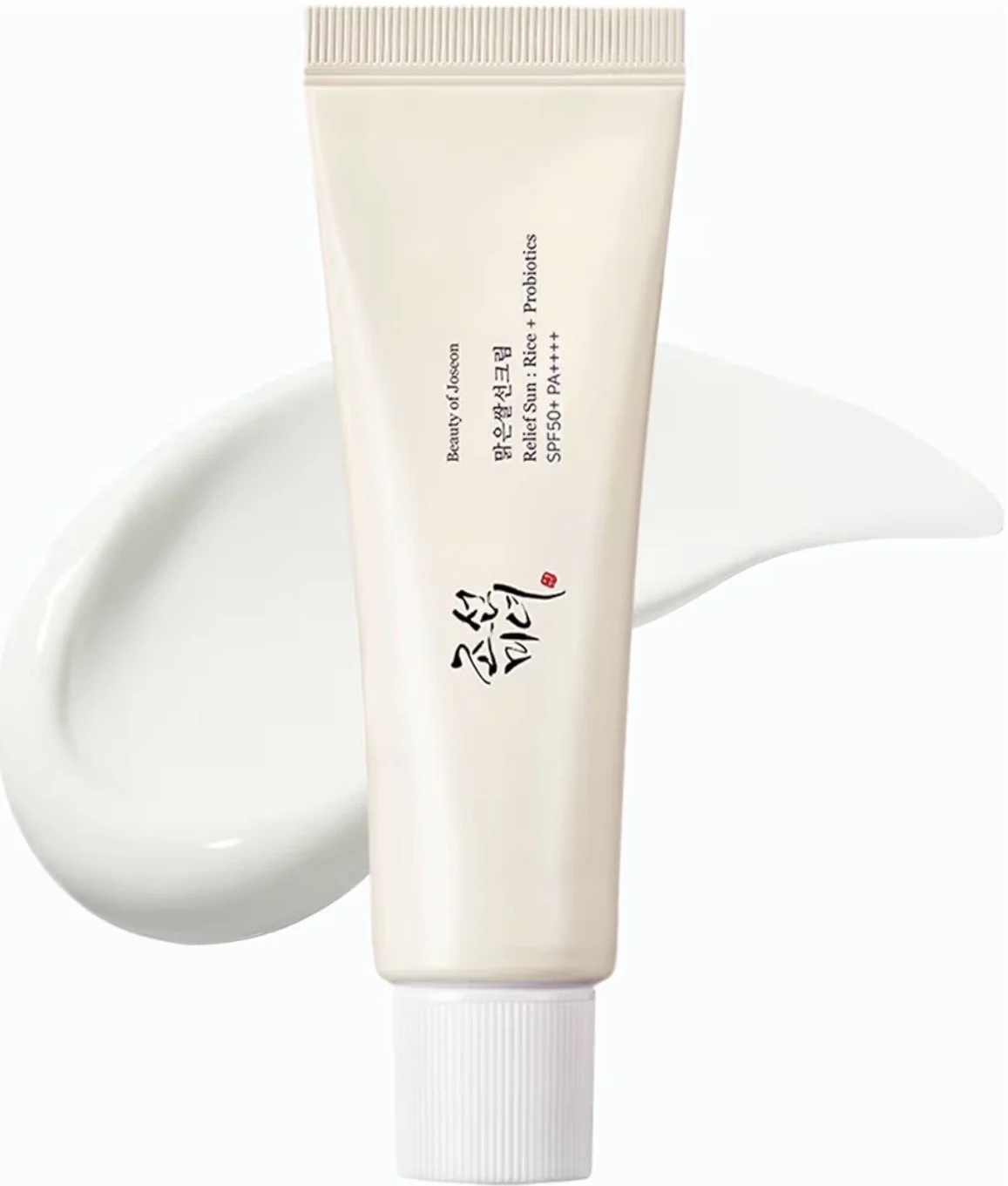
Beauty of Joseon Relif Sun SPF50+
Daily sunscreen with a lightweight texture and natural glow.
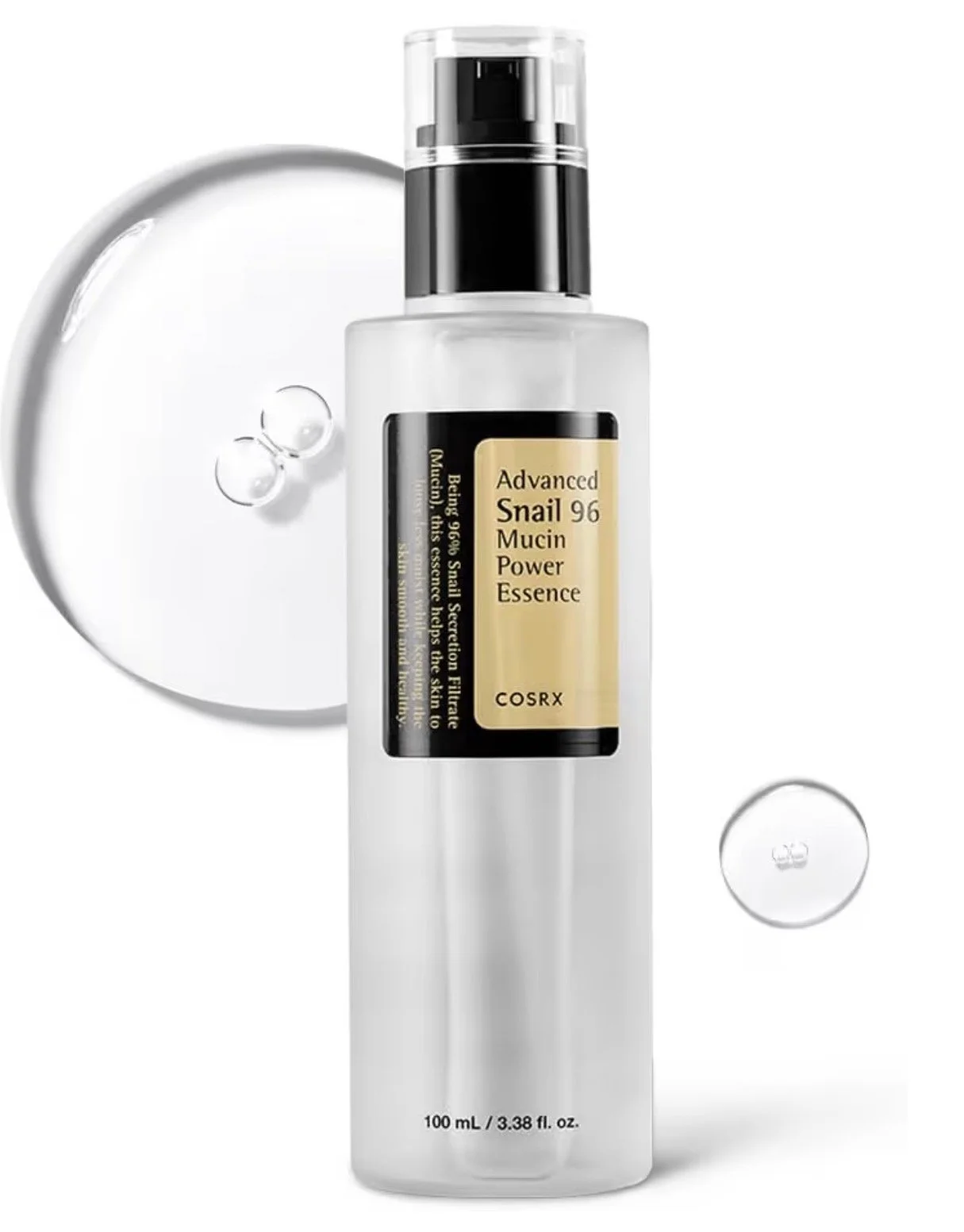
COSRX Advance Snail 96 Mucin essence
Deep hydration and skin barrier support.
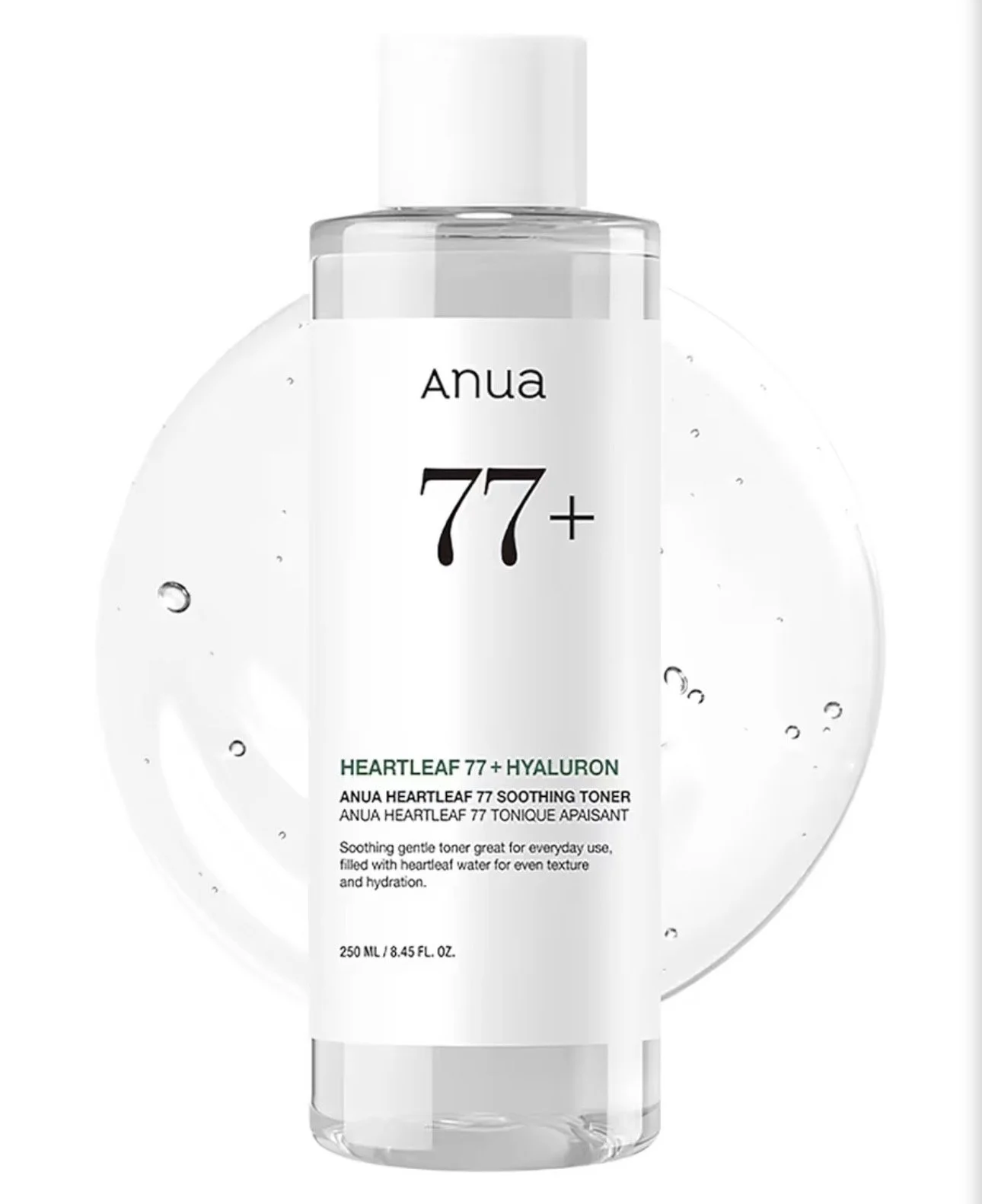
Anua Heartleaf 77% Soothing Toner
Helps calm, hydrate and balance the skin.