The surprising bedtime habit that could be affecting your skin more than you realize.
When trying to improve our skin, most of us focus on finding the perfect cleanser, investing in high-quality serums or following the latest skincare trends. We spend time researching ingredients, building routines and searching for products that promise clearer, healthier skin. Yet one of the most overlooked causes of recurring breakouts isn't found inside a skincare bottle at all.
It's your pillowcase.
Why Your Pillowcase Might Be Causing Breakouts
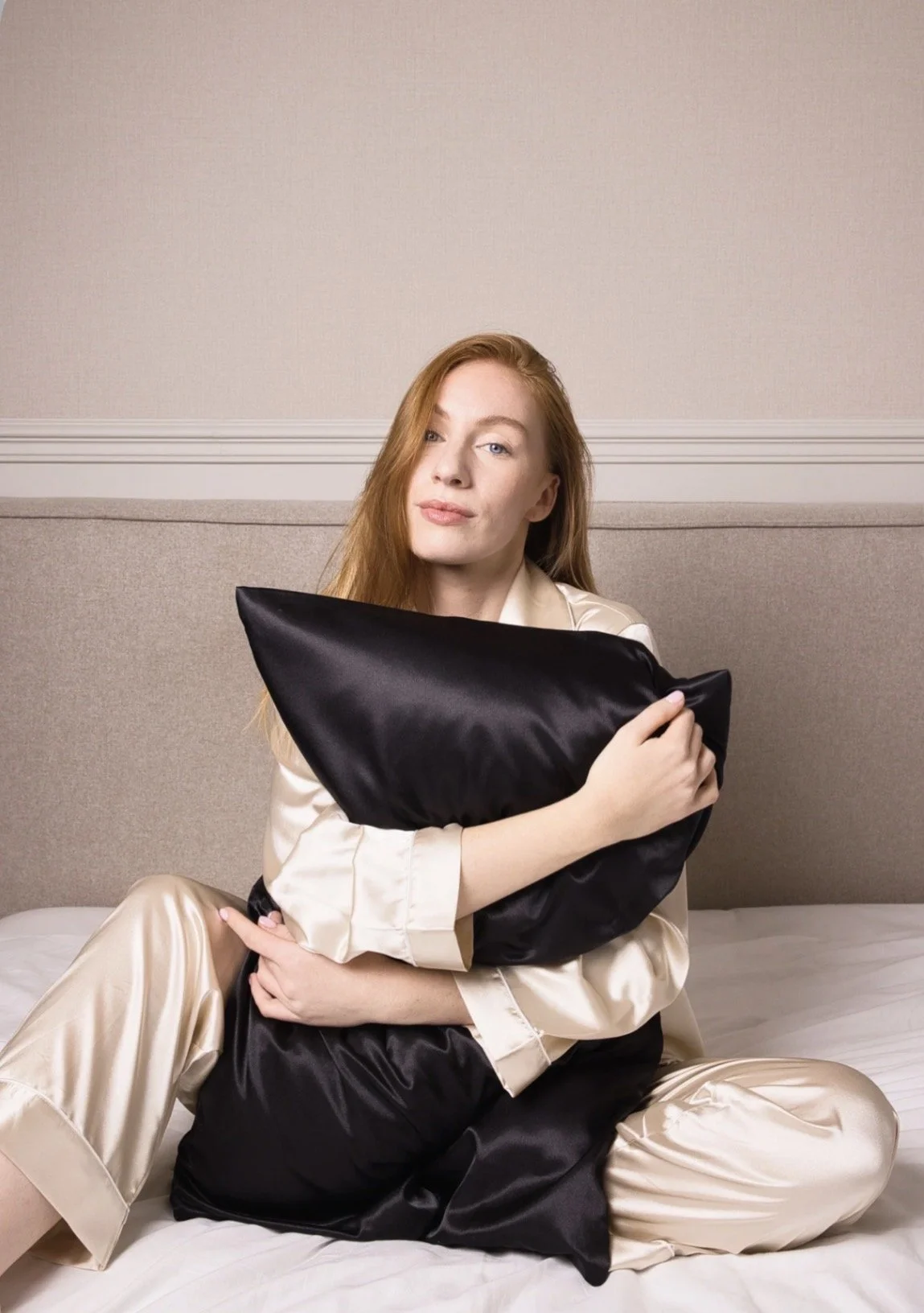
Bedsure 100% Mulberry Silk Pillowcase
Helps reduce friction on skin and hair while supporting your nighttime skincare routine.
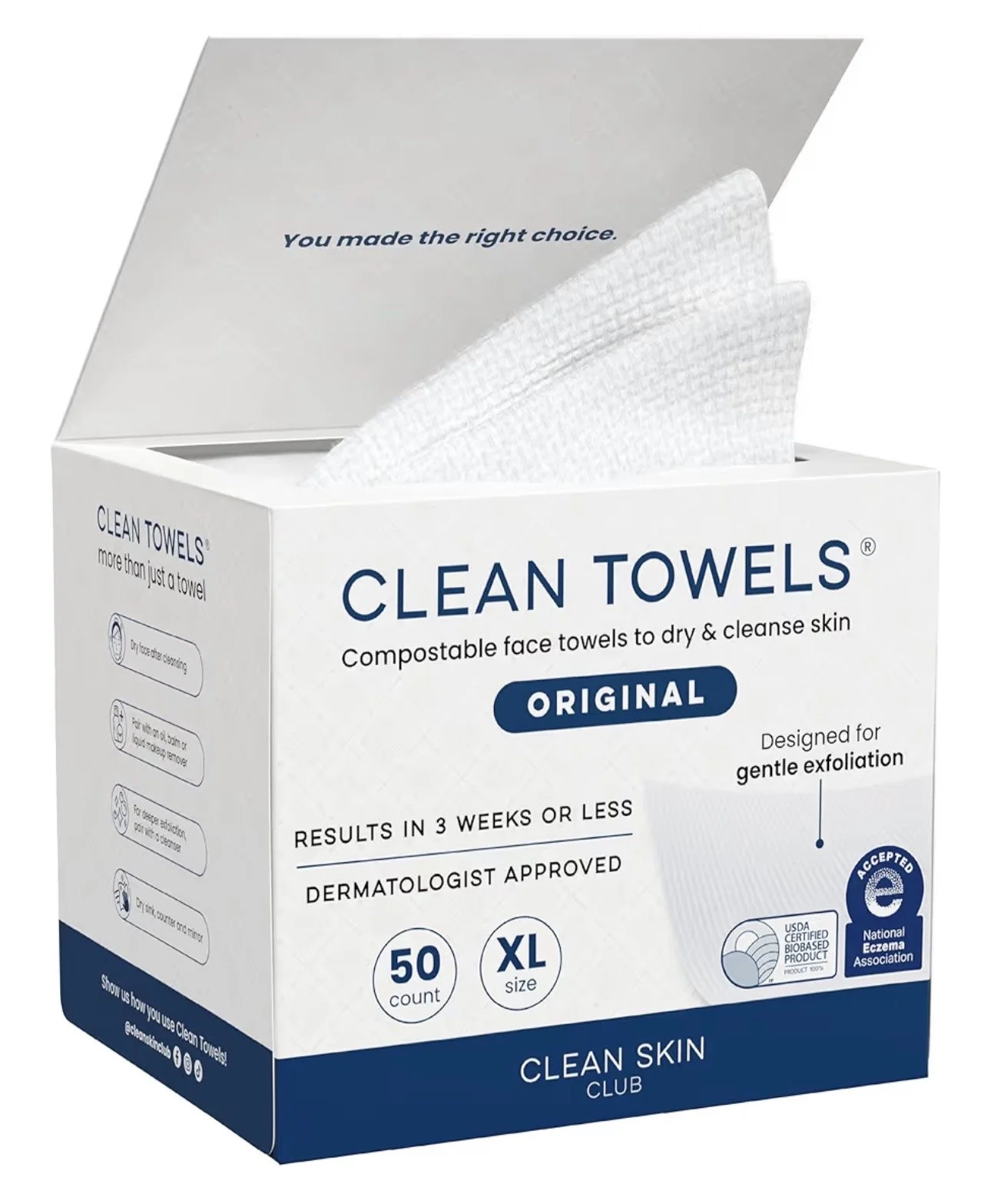
Clean Skin Club Clean Towels XL
Disposable biodegradable face towels that help minimize bacteria transfer after cleansing.
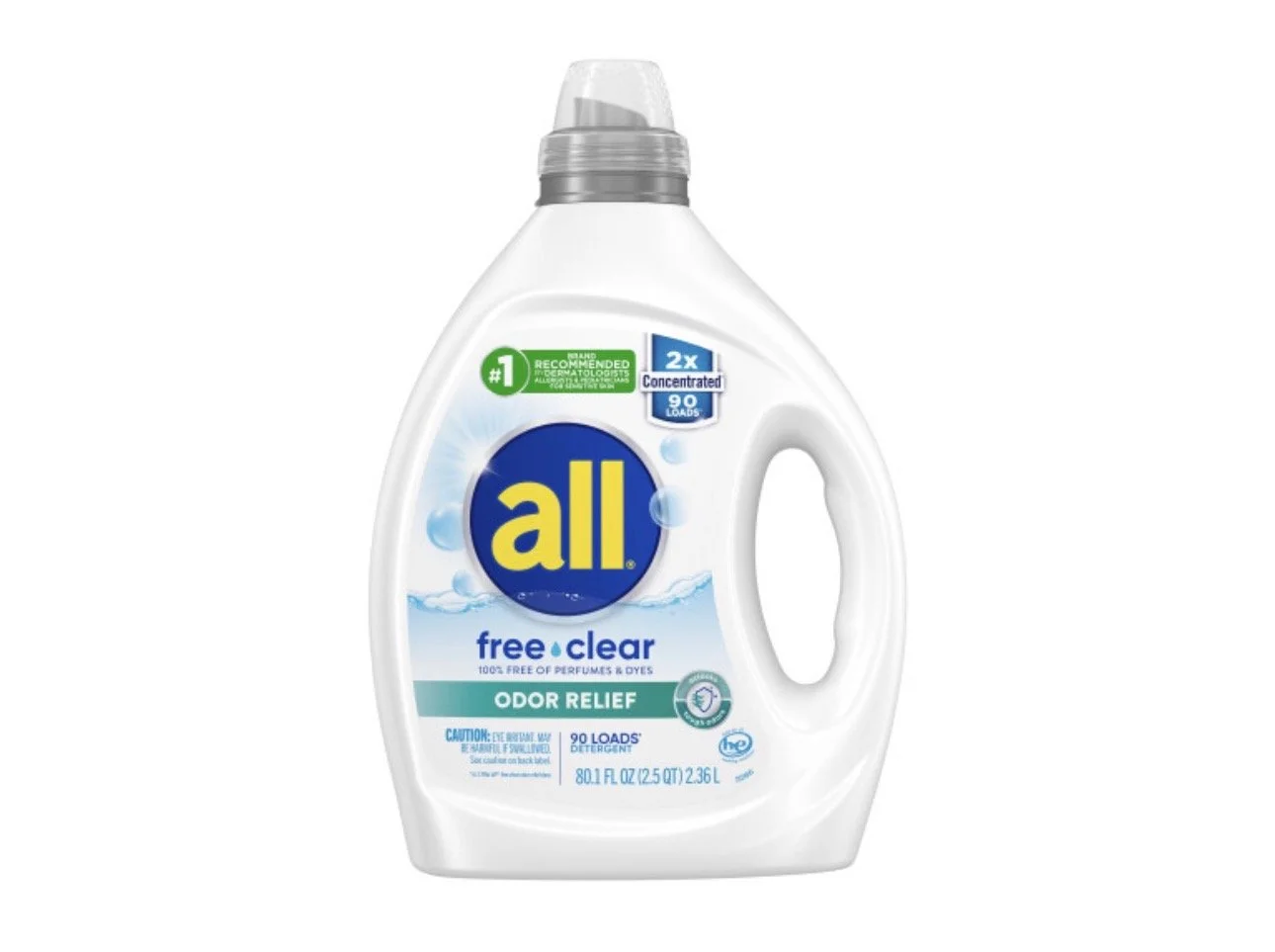
All Free Clear Laundry Detergent
A fragrance-free detergent suitable for sensitive skin and ideal for washing pillowcases and bedding.
Considering that we spend roughly one-third of our lives sleeping, our skin comes into contact with our pillowcase for hundreds of hours every year. Night after night, our face presses against the same fabric, transferring oil, sweat, skincare products, makeup residue and bacteria. Over time, this creates an environment that may contribute to congestion, irritation and breakouts, especially if you have acne-prone or sensitive skin.
While a pillowcase alone is rarely the main cause of acne, it can become one of several everyday factors that influence the condition of your skin. The good news is that it's also one of the easiest habits to improve.
Your Skin Repairs While You Sleep
Nighttime is when your skin goes into recovery mode. While you rest, your body works to repair damage caused by UV exposure, pollution and daily stress. Collagen production increases, the skin barrier restores itself and moisture levels naturally rebalance.
This process is one of the reasons why quality sleep is often associated with healthier, brighter-looking skin.
However, while your skin is working hard to regenerate, your pillowcase is collecting everything left behind.
Natural oils, sweat, dead skin cells, saliva, hair products and leftover skincare ingredients gradually build up on the fabric. If the pillowcase isn't washed regularly, your freshly cleansed face comes into contact with those impurities again every single night.
For people who already struggle with clogged pores or recurring blemishes, this repeated exposure may contribute to irritation and inflammation.
Why Pillowcases Can Affect Acne
Throughout the day, your skin naturally produces sebum, the oil that helps protect and moisturize the skin.
This oil isn't harmful—in fact, it's essential for maintaining a healthy skin barrier. The problem occurs when excess oil combines with dead skin cells, bacteria and environmental debris.
Your pillowcase acts almost like a sponge.
Night after night it absorbs facial oil, sweat and residue from skincare products. Add hair products such as leave-in conditioner, hair oil or styling cream, and the surface can quickly become less hygienic than most people realize.
Although washing your face before bed is an excellent habit, placing clean skin against a pillowcase that hasn't been washed in over a week may reduce some of those benefits.
Cotton vs. Silk: Does It Really Matter?
One of the biggest discussions in the beauty world concerns silk pillowcases.
Unlike traditional cotton, silk creates significantly less friction against the skin.
Less friction means fewer sleep lines, reduced irritation and often less hair frizz when you wake up.
Silk is also less absorbent than cotton, meaning your evening skincare products are more likely to stay on your skin rather than being absorbed into the fabric.
This doesn't mean a silk pillowcase will magically eliminate acne.
However, it can support healthier skin by reducing unnecessary friction and allowing your nighttime skincare routine to work more effectively.
For many people, switching to silk becomes one small improvement that complements an overall skincare routine.
Don't Forget About Your Hair
Hair care products are another surprisingly common contributor to facial breakouts.
Leave-in conditioners, hair oils, dry shampoo, styling creams and even shampoo residue can transfer from your hair onto your pillowcase while you sleep.
As you move throughout the night, these products can come into contact with your forehead, temples, cheeks and jawline.
If you frequently notice breakouts around your hairline, it may be worth evaluating not only your skincare routine but also your hair products.
Sleeping with clean hair or loosely tying long hair away from your face can make a noticeable difference for some people.
How Often Should You Change Your Pillowcase?
Many dermatologists recommend changing pillowcases far more frequently than most people do.
If you have acne-prone skin, replacing your pillowcase every two or three nights can help reduce the buildup of oils, bacteria and product residue.
For normal skin, washing pillowcases at least once a week is generally considered a good habit.
Using a gentle, fragrance-free detergent may also help minimize irritation, particularly if your skin is sensitive.
While changing pillowcases won't solve every skin concern, it removes one unnecessary source of irritation that is entirely within your control.
Other Bedtime Habits That Support Clear Skin
Your pillowcase is only one part of your nighttime environment.
Several simple habits can also help support healthier skin over time.
Always remove makeup completely before bed, even if you feel tired.
Clean your makeup brushes regularly to prevent bacteria from transferring onto your skin.
Avoid sleeping with wet hair if you frequently use styling products.
Wash your face after exercising, even if you plan to shower later.
And perhaps most importantly, remain consistent with your skincare routine instead of constantly switching products.
Healthy skin is usually built through simple habits repeated consistently rather than dramatic overnight changes.
Small Changes Often Deliver the Biggest Results
Many people assume they need expensive skincare to achieve clearer skin.
While quality products certainly have their place, everyday habits often play an equally important role.
A clean pillowcase.
Fresh towels.
Clean makeup brushes.
Adequate sleep.
Balanced nutrition.
Daily sunscreen.
These small actions may not seem exciting compared to the latest viral skincare trend, but together they create an environment where healthy skin can thrive.
Final Thoughts
There is rarely one single cause of acne, just as there is rarely one single solution.
Hormones, genetics, stress, diet, lifestyle and skincare products all influence the health of our skin.
However, changing your pillowcase regularly is one of the simplest improvements you can make.
It takes only a few minutes, costs very little and supports the natural overnight repair process your skin works so hard to complete.
Sometimes achieving healthier skin isn't about buying another expensive serum.
Sometimes it begins with something as simple as clean sheets and a fresh pillowcase.