Your Nighttime Routine Is More Important Than Your Morning Routine.
While morning rituals have become the face of modern wellness, the quiet hours before bed may be where healthy skin is truly made.
Open Instagram or Pinterest on any given morning and you'll be greeted with an endless stream of perfectly curated routines. A woman pours ceremonial-grade matcha into a handmade ceramic cup before rolling out her yoga mat. Another opens a beautifully organized skincare fridge, applies a vitamin C serum, massages her face with a chilled gua sha and finishes with a glowing layer of sunscreen before stepping out into the day.
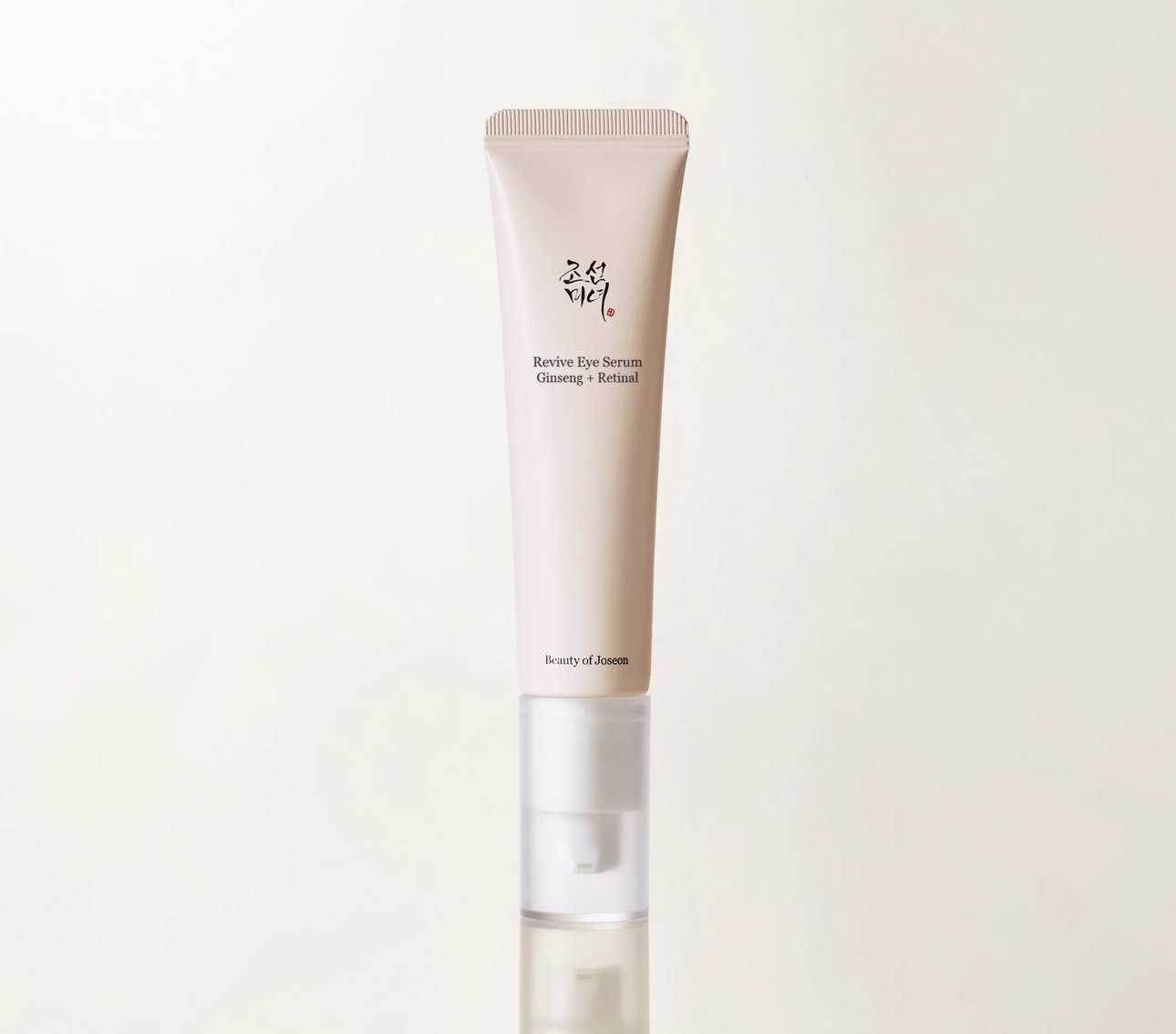
Beauty of Joseon Revive Eye Serum (Ginseng + Retinal)
A lightweight eye serum formulated with ginseng extract and retinal to help smooth the appearance of fine lines while supporting a brighter, more refreshed look.
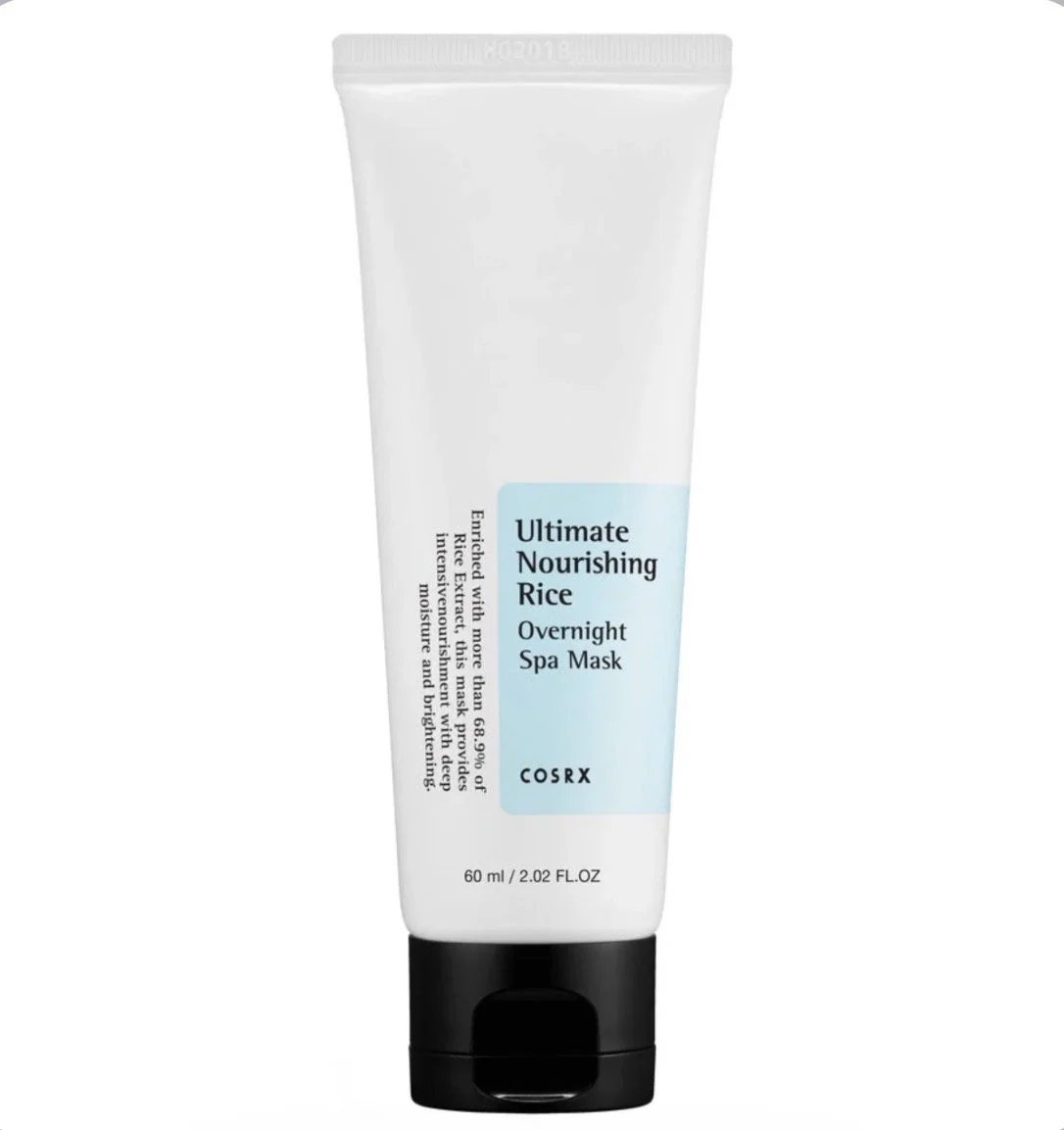
COSRX Ultimate Nourishing Rice Overnight Spa Mask
An overnight sleeping mask enriched with rice extract to deeply hydrate, nourish and leave skin looking soft, radiant and well-rested by morning.
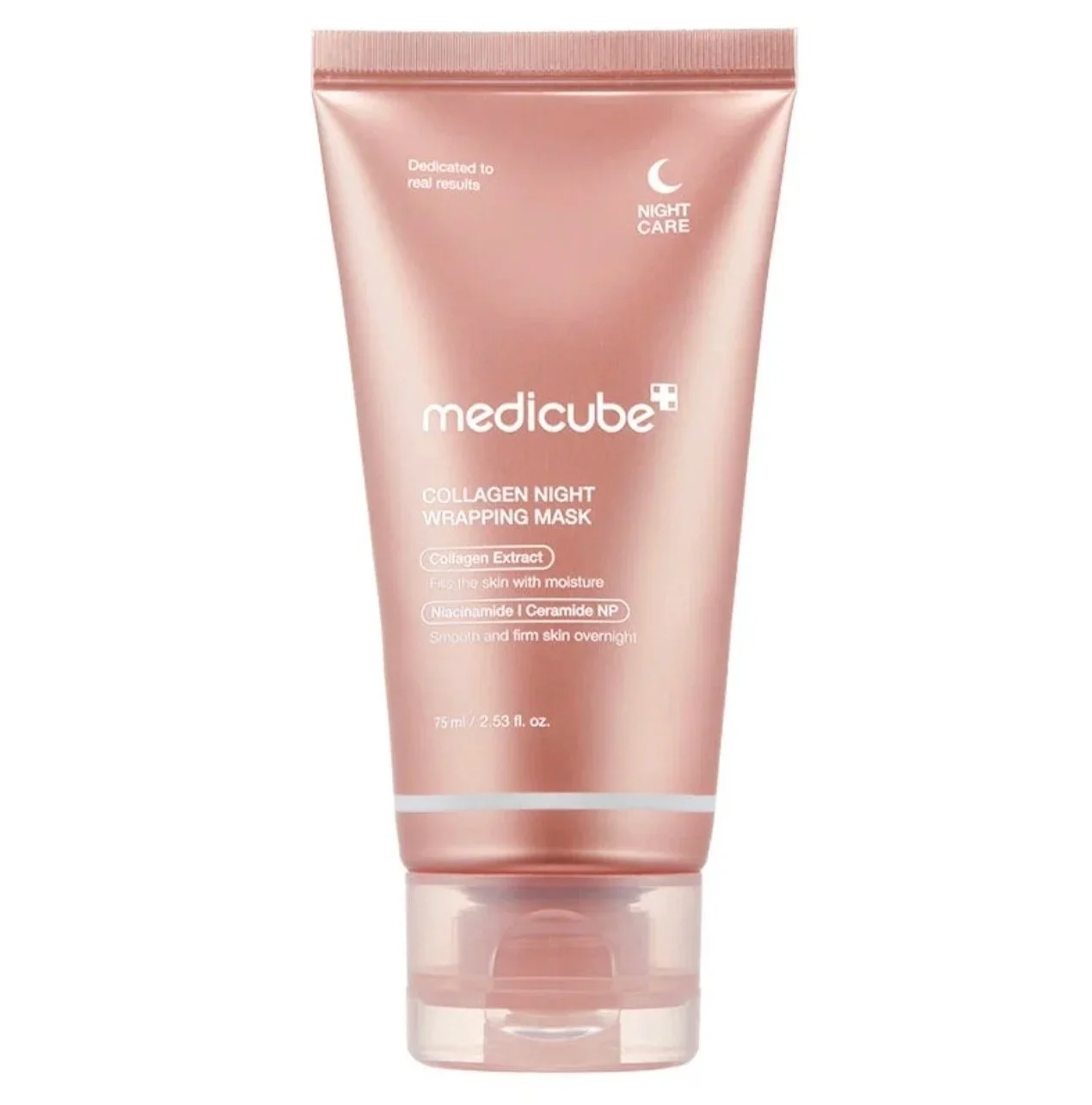
Medicube Collagen Night Wrapping Mask
A collagen-rich overnight treatment designed to lock in moisture and help improve skin elasticity while you sleep, revealing a firmer, healthier-looking complexion.
Morning routines have become an aspiration. They represent discipline, self-care and the promise of becoming the best version of ourselves before 8 a.m.
But while these rituals are undeniably inspiring, they have also created the impression that the morning is the most important moment of the day for our skin.
The reality is quite different.
If you were to ask most dermatologists when your skin performs its most important work, the answer would almost certainly be the same: while you are asleep.
Your evening routine may never receive the same attention as an aesthetically pleasing morning routine on social media, yet it quietly determines how your skin repairs, regenerates and prepares itself for the days ahead.
Healthy skin is not created during the few minutes you spend applying sunscreen before leaving the house.
More often than not, it is created during the seven or eight hours when you are doing absolutely nothing.
Your Skin Never Truly Rests
Although we think of sleep as a period of complete rest, your body becomes incredibly active once you fall asleep.
While your mind slows down, countless biological processes begin working behind the scenes. Muscles recover after movement. Hormones rebalance. The immune system carries out important repair work. Cells throughout the body regenerate.
Your skin is no exception.
In fact, it becomes one of the busiest organs in your body during the night.
Throughout the day, your skin acts as a protective shield. It defends you against pollution, ultraviolet radiation, fluctuating temperatures, bacteria and countless environmental aggressors that you rarely even notice.
Every time you leave your home, your skin begins fighting invisible battles.
By the evening, it has accumulated sunscreen, makeup, excess oil, sweat, dust and microscopic pollutants that settle on its surface.
Only once those aggressors are removed can your skin fully switch into recovery mode.
This is why cleansing before bed is not simply about removing makeup.
It is about allowing your skin to begin the work it has been waiting to do all day.
Repair Happens After Dark
Scientists have long observed that skin follows its own internal rhythm.
During the night, blood circulation to the skin naturally increases. Cell turnover accelerates, meaning old skin cells are replaced more efficiently by new ones. The skin barrier begins repairing tiny areas of damage created by UV exposure, dehydration and environmental stress.
Collagen production also becomes more active during periods of deep sleep.
Collagen is the structural protein responsible for keeping skin firm, smooth and resilient. Although its production naturally slows with age, quality sleep helps support the body's ongoing repair processes.
This explains something many of us have experienced without fully understanding it.
After several nights of restful sleep, your complexion often appears brighter.
Your skin feels softer.
Redness seems calmer.
Makeup applies more smoothly.
On the other hand, even the most expensive skincare products struggle to compensate for several nights of poor-quality sleep.
Dark circles become more pronounced.
Fine dehydration lines appear more visible.
The complexion loses some of its natural luminosity.
These visible changes are reminders that healthy skin depends on much more than the products sitting on our bathroom shelves.
Why Expensive Products Aren't Enough
Modern skincare has reached an extraordinary level of sophistication.
There are peptides designed to support collagen.
Ceramides that strengthen the skin barrier.
Retinoids that encourage cell turnover.
Powerful antioxidants capable of protecting against environmental stress.
These ingredients genuinely have impressive scientific backing.
Yet many people unknowingly reduce their effectiveness through the habits surrounding their routine.
Imagine investing in a luxurious serum only to sleep with a full face of makeup.
Or applying a nourishing moisturizer before resting on a pillowcase that hasn't been washed in over a week.
Skincare products do not work in isolation.
They perform best when they are part of an environment that supports healthy skin.
Your evening routine is therefore about much more than the products themselves.
It is about creating the conditions that allow those products—and your own skin—to perform at their best.
The Quiet Luxury of an Evening Ritual
Perhaps one of the most overlooked benefits of a nighttime routine has nothing to do with skincare at all.
It has everything to do with slowing down.
Modern life rarely encourages stillness.
Most of us move from one notification to the next, one meeting to another, one responsibility to the next without allowing ourselves many intentional pauses.
An evening skincare routine becomes something surprisingly valuable.
Not because cleansing your face changes your life.
But because it marks the transition between the outside world and your own personal space.
It tells your body that the day is over.
The bright lights become softer.
The phone is finally placed on the bedside table.
The bathroom becomes quiet.
Warm water removes the day from your skin.
Serums are applied slowly rather than hurriedly.
Moisturizer becomes less about beauty and more about care.
These few uninterrupted minutes may seem insignificant.
Yet repeated every evening, they become a ritual rather than another task on your to-do list.
This shift in mindset often changes the relationship people have with skincare.
Instead of constantly chasing perfect skin, they begin enjoying the process of caring for themselves.
Ironically, this slower approach often produces better results than constantly searching for the next miracle product.